
I still remember the night I first watched the Witness appear at the end of The Witch Queen. The screen went quiet, the shape lingered, and I felt the same chill I had felt years earlier when the Black Fleet first appeared in Destiny 2. Back then, in 2022, Lightfall was still a promise on the horizon, and like many players I kept asking myself one question: could Bungie really deliver an Avengers: Infinity War-style climax? By 2026, Lightfall is no longer a future expansion; it is part of Destiny 2's history. But when I look back, I cannot separate my memory of that launch from the scale of the story Bungie was trying to tell. The Light versus Darkness arc had been building since 2014, and Lightfall was supposed to be the moment when every thread pulled tight.
The Witness Was Always the Real Threat
The Witness was never just another villain. In the conversations that shaped my expectations, it was described as possibly Destiny's Taken King, the being who gave Oryx the power to Take, and the leader behind the Darkness. That idea stuck with me because it made the universe feel smaller and more dangerous at the same time. The Witness was awakened by the Traveler's burst of energy during the Red War campaign, and by the end of The Witch Queen we had seen its silhouette and felt its patience. Its disciple, Rhulk, served as the final boss of the Vow of the Disciple raid, and that raid gave me some of the most unsettling lore in years. Rhulk was responsible for converting the Hive into worshippers of Darkness and for freeing the Hive worms. He was also the first being of Darkness who did not share a race with the enemies I had faced before, a sneak peek into what might come next.

What kind of enemy makes the Guardians feel small? For me, it was not a giant monster but a quiet voice with a plan. The Witness and the Black Fleet were teased as returning to Earth to finish the job they started: the Collapse of Humanity. That sentence alone carried more weight than any loot table. It suggested that Lightfall would not be a side story. It would be the bill coming due.
Allies, Traitors, and the Calus Question
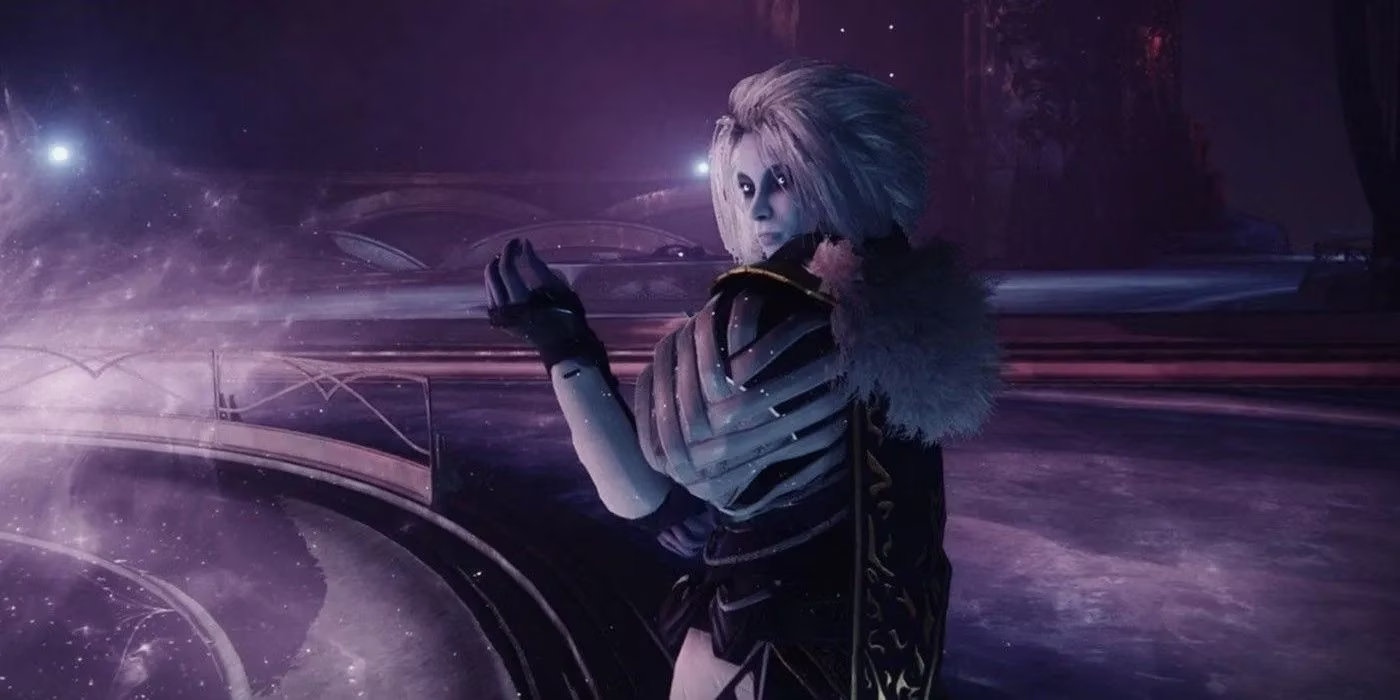
One of the most exciting parts of the speculation around Lightfall was the idea that iconic characters could switch roles. Mara Sov, the Awoken Queen, and Mithrax were both named as possible Guardians of the Light, preparing humanity and its allies for war with the Black Fleet. The Traveler had already given non-human characters like Savathun the power of the Light, so why not continue that trend? If the Black Fleet had powerful allies and disciples, the Vanguard would need to even the odds. That logic made sense to me then, and it still makes sense now.
| Infinity War-style beat | Destiny 2 possibility I expected |
|---|---|
| Heroes assemble from different factions | Mara Sov, Mithrax, and old rivals join the fight |
| A villain recruits powerful lieutenants | The Witness seeks disciples, possibly including Calus |
| A shocking betrayal or uneasy alliance | Enemies become friends, and friends become uncertain |
| A dark ending that changes the board | The Traveler falls, and the Light is lost again |
The Calus question was the one that kept me guessing. The exiled Cabal emperor had always been a wild card, and the idea that he could become a disciple of the Witness was genuinely troubling. Would he sell out the solar system for a place at the table? Could the Guardian and their allies trust anyone who had once stood against them? Those questions gave the story a political edge that I loved.
Could Lightfall End With the Traveler's Destruction?
The title Lightfall always sounded ominous. It suggested the end of the Light as the Guardians knew it. Players had seen the Guardians lose the Light temporarily during the Red War, but Lightfall could have gone further with a more permanent end. Bungie had been giving players powers of the Darkness, so it made sense that the developer might take Light away for a while and hand everyone a new Darkness subclass. Would that change be temporary, lasting until the next DLC or even Destiny 3? I did not know, but the possibility alone made the expansion feel seismic.
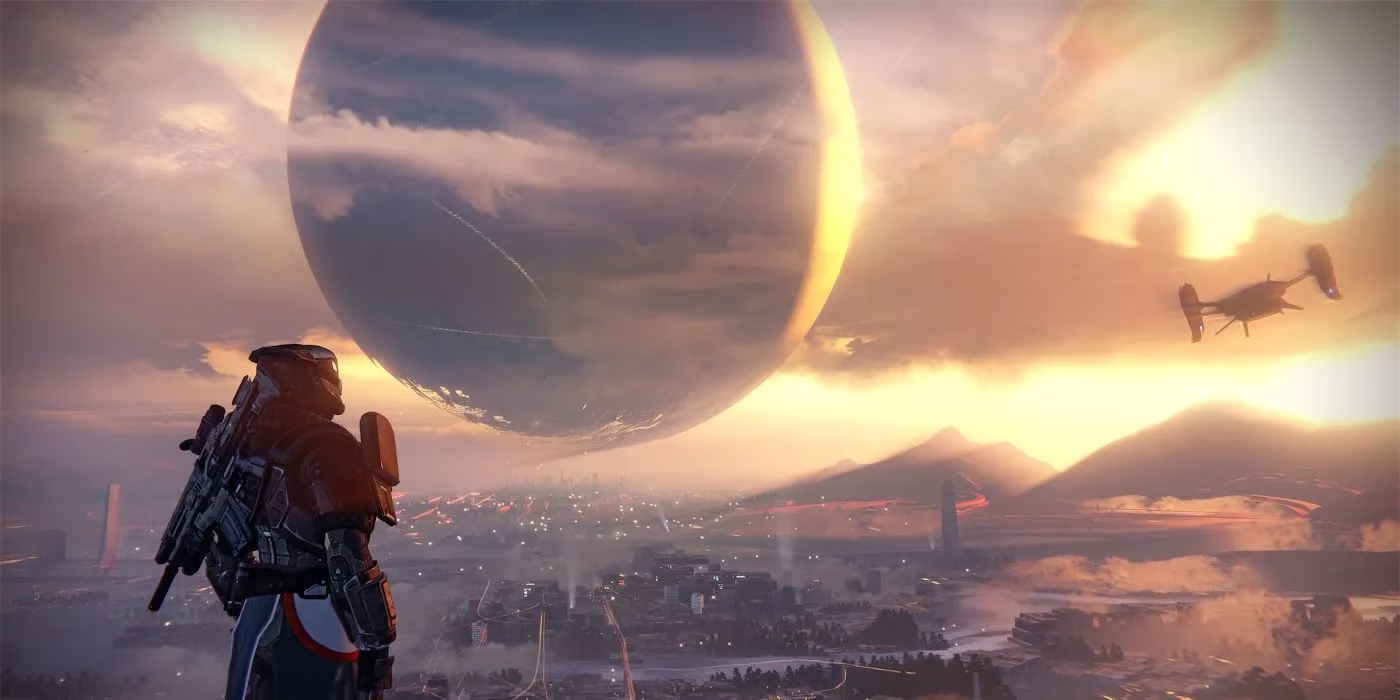
In true Infinity War fashion, Lightfall could have ended with the heroes failing and the Traveler being destroyed. That would have been the darkest ending of any Destiny 2 expansion, and it would have changed gameplay as much as story. I imagined the Second Collapse, with both the Traveler and the Last City destroyed by the Black Fleet. I imagined a climactic battle outside the walls of the Last City, with every ally the players had fought with and against standing together for a final stand against the Darkness. Was that too much to expect? Maybe. But the reference material made it feel possible.
What I Learned From the Hype
By 2026, I have had time to sit with the Infinity War comparison. It was useful because it captured the scale of the Light and Darkness saga, but it was also dangerous because it turned an expansion into a test of whether Bungie could match Marvel's biggest crossover. The truth is that Destiny 2 has always been at its best when it makes the universe feel personal: a queen choosing her people, a Kell choosing mercy, an emperor choosing vanity, a Witness choosing patience. The big battle matters, but the choices before it matter more.
So I still think about Lightfall as a turning point, not because it had to be perfect, but because it promised a climax. Enemies turned friends, a second Collapse, and the destruction of the Traveler were all on the table. That is the kind of story that makes me log in again, even years later. After all, what is a final stand without a little fear? 😊
Recent trends are highlighted by The Verge - Gaming, whose reporting often frames major releases through the lens of long-running live-service storytelling and player expectation. In the context of Destiny 2 and Lightfall, that perspective helps explain why the expansion carried such unusual weight: it was not just another campaign, but a chapter judged by how convincingly it advanced years of buildup around the Witness, the Traveler, and the approaching collapse of the old order.