
In 2026, Destiny 2's The Witch Queen no longer relies on launch-week novelty to justify its reputation. Bungie's expansion arrived with a new raid, a deep weapons chase, a taut campaign, and a Hive antagonist whose presence reshaped how players discuss Destiny 2's storytelling. For guardians who finish the campaign and feel the familiar adrenaline withdrawal, the wider DLC canon remains a useful second front. A survey of comparable expansions shows that the best follow-ups do not simply imitate The Witch Queen; they sharpen different muscles—horror, puzzle-solving, survival management, or pure combat discipline—while preserving the same sense of a dangerous world pressing back.
A Benchmark That Still Teaches
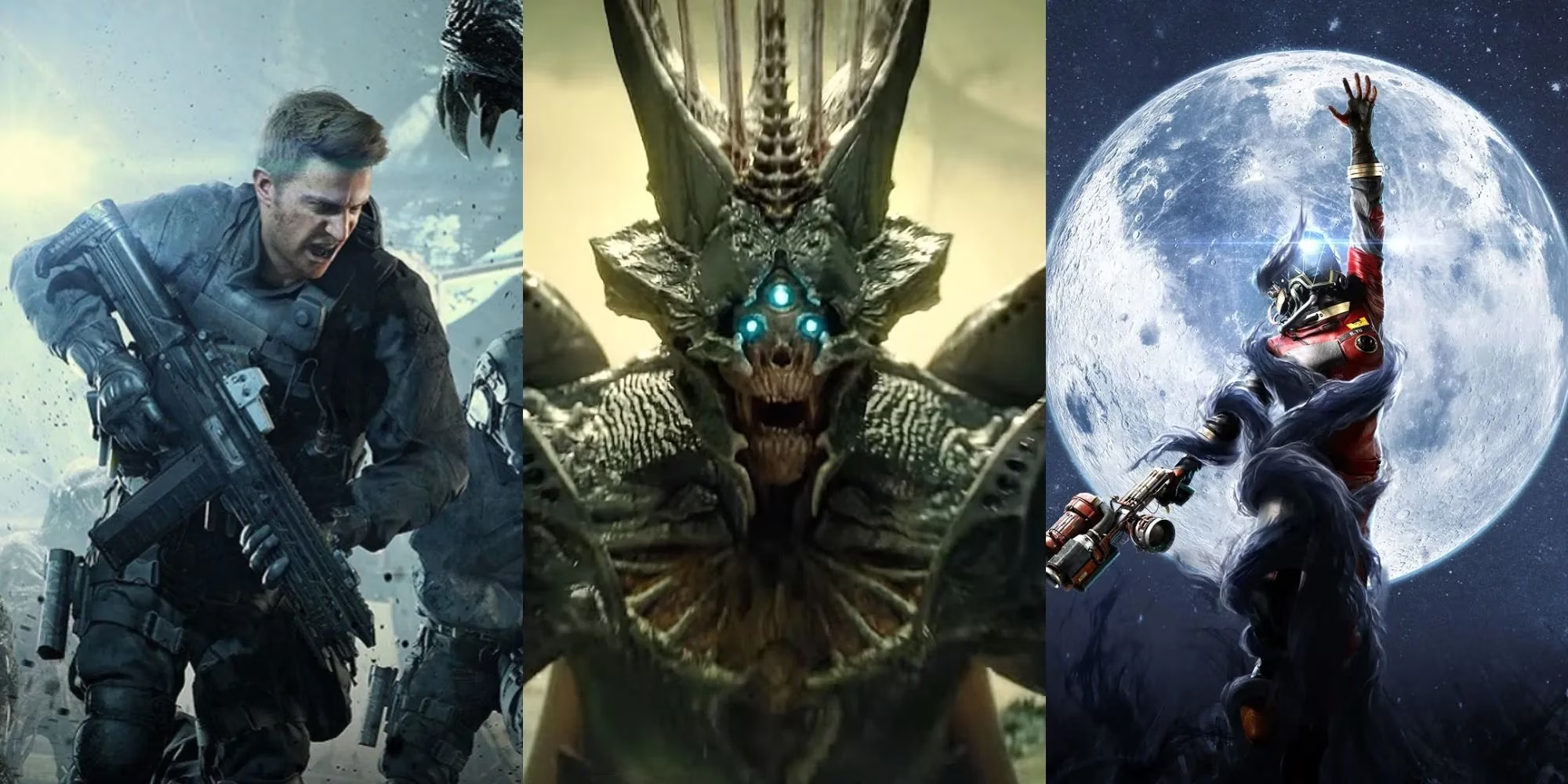
The Witch Queen campaign behaves like a lockpick wrapped in scripture: it clicks open Hive history while demanding exact timing from the player. That combination of lore and execution is why the expansion still appears in 2026 discussions of Destiny 2's strongest creative peaks. The obvious companion piece is Destiny: The Dark Below, the DLC that started much of this arc. It introduced greater depth for the Hive and Eris Morn, who later became a visible thread in The Witch Queen marketing. Its raid, strikes, and background set up the Oryx plot as guardians endured a grueling platforming shootout against a would-be god. Years later, the firefights still hold because Bungie's intergalactic FPS knows how to make every arena feel like a hostile instrument.
Horror, Hordes, and Haunted Hallways
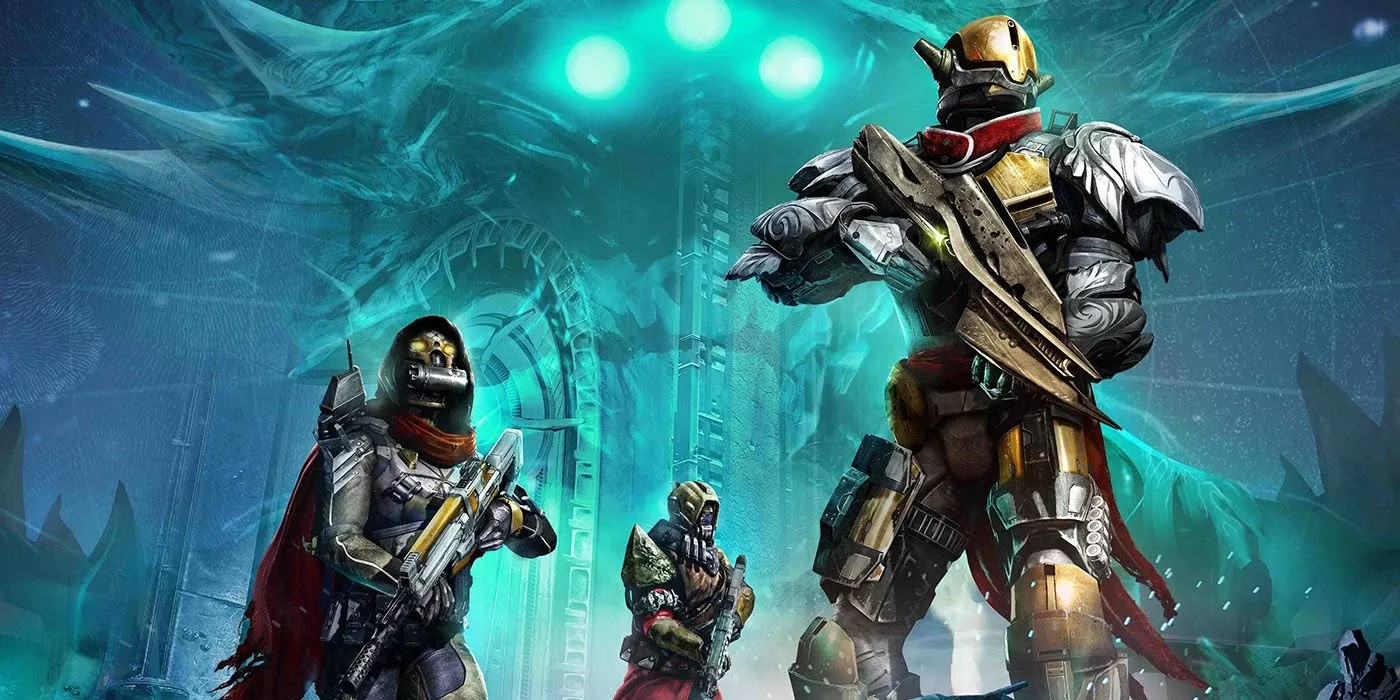
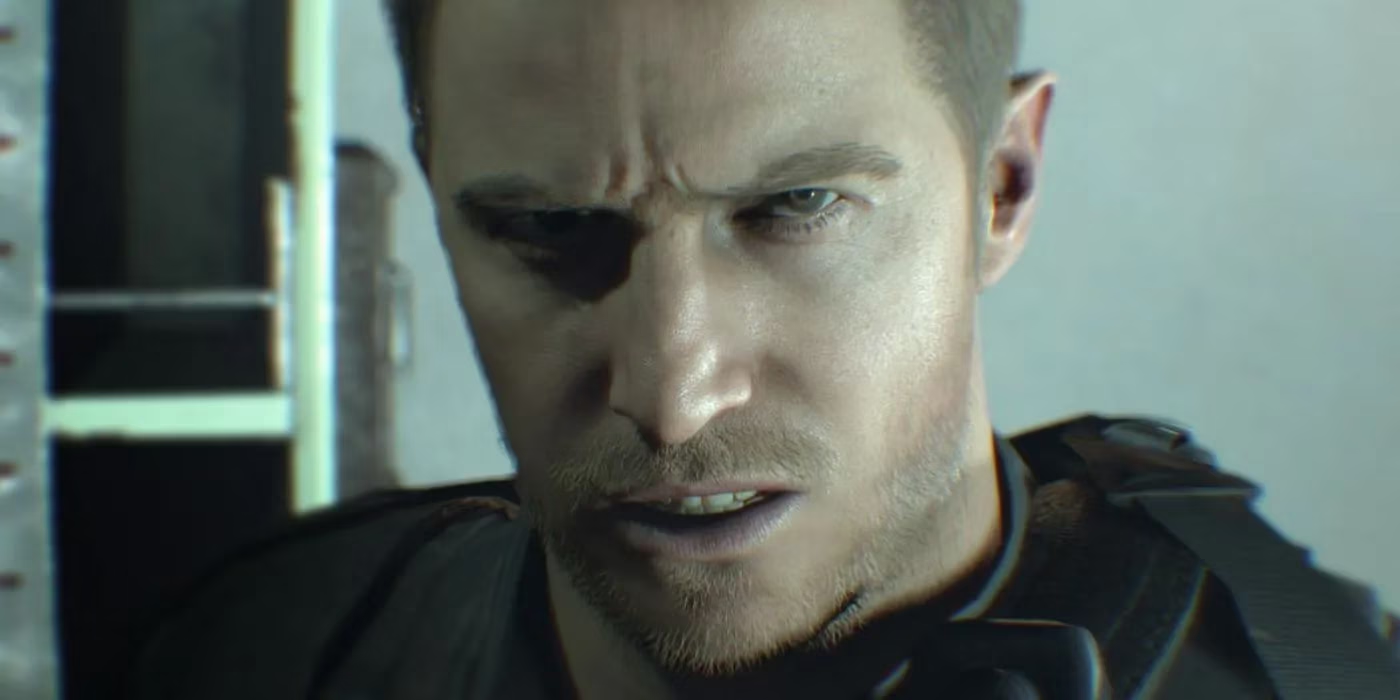
Resident Evil 7: Not A Hero answers the desire for horror inside an action frame. Capcom had already surprised players by shifting the survival-horror series to first person, and the DLC brought Chris Redfield back for over-the-top combat. It added levity to the main campaign's harrowing tour while letting players fight grotesque creatures that would make even the Hive hesitate. The result is a compact reminder that horror and action can share the same corridor when the pacing is ruthless.
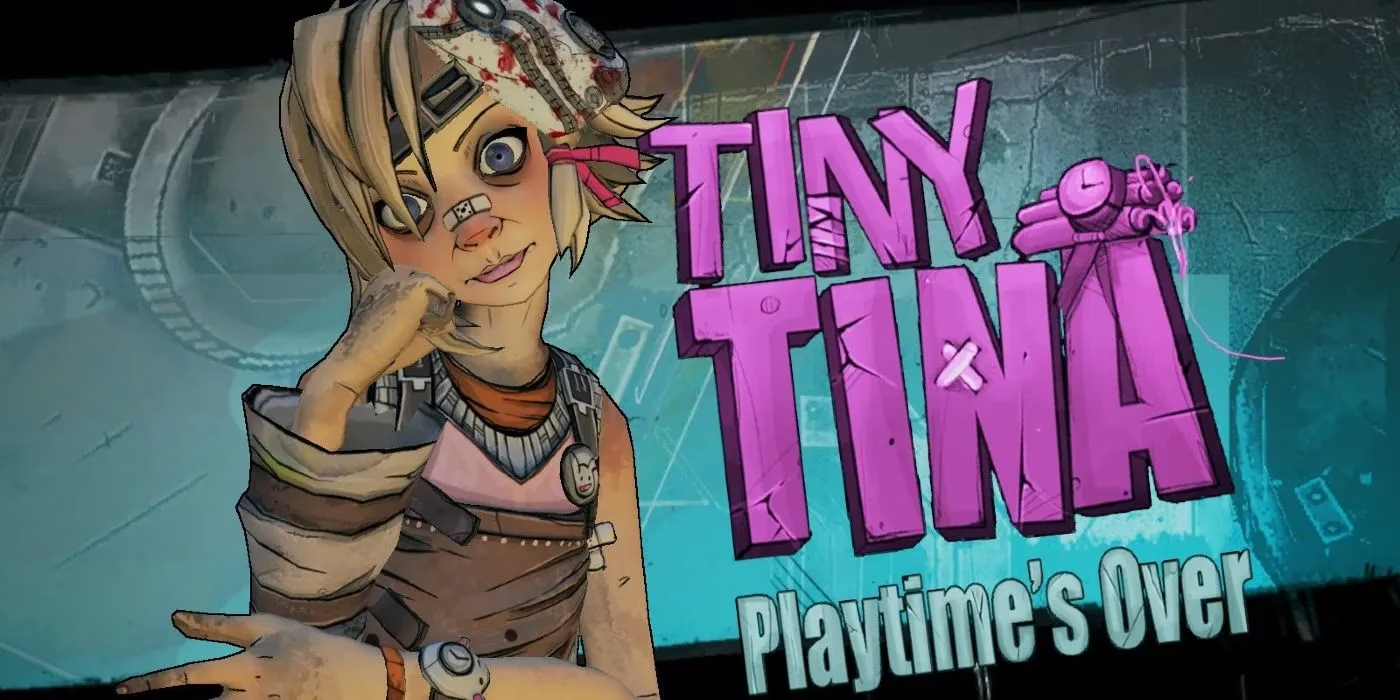
Borderlands 2: Tiny Tina's Assault On Dragon Keep is a funhouse mirror held up to the looter-shooter genre; its jokes reflect design truths about loot, pacing, and player obsession. Some Borderlands fans consider this DLC the best storyline in the entire series, main campaign included. The gunplay is tight and the comedy is tighter, while the weapon pool offers enough customization to consume hours. Medieval folklore and interplanetary travel give it a strange, elastic energy that should appeal to interstellar witch hunters who want a lighter tone without lighter combat.
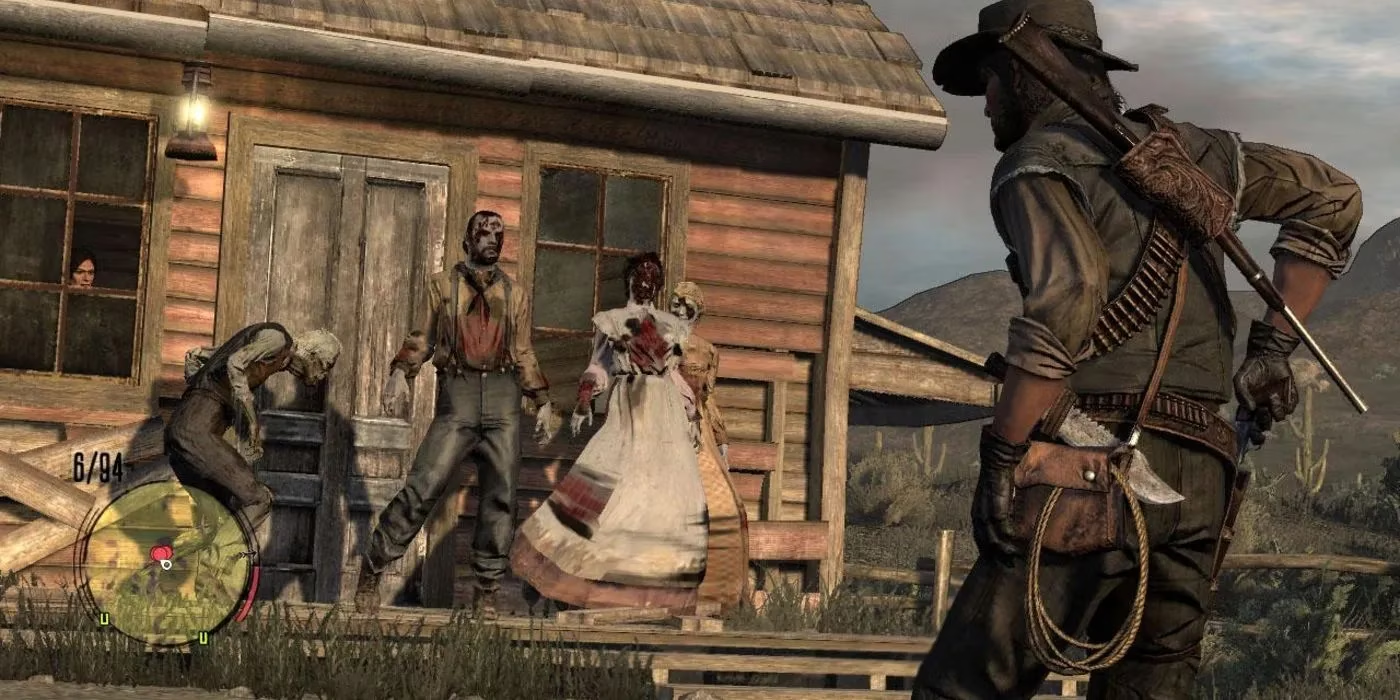
Red Dead Redemption: Undead Nightmare heads west for another zombie detour. The DLC gives western fans an alternate timeline in which John Marston rides out to find a cure for his undead family. Horde modes and revised combat turn cover-based encounters into a run-and-gun fright fest, while new enemies with differing abilities keep trigger skills sharp. Sasquatch and the four horses of the Apocalypse add weirdness to the dread, making the expansion feel like a campfire story told by someone who has seen too much.
Isolation, Simulation, and Deep-Sea Dread
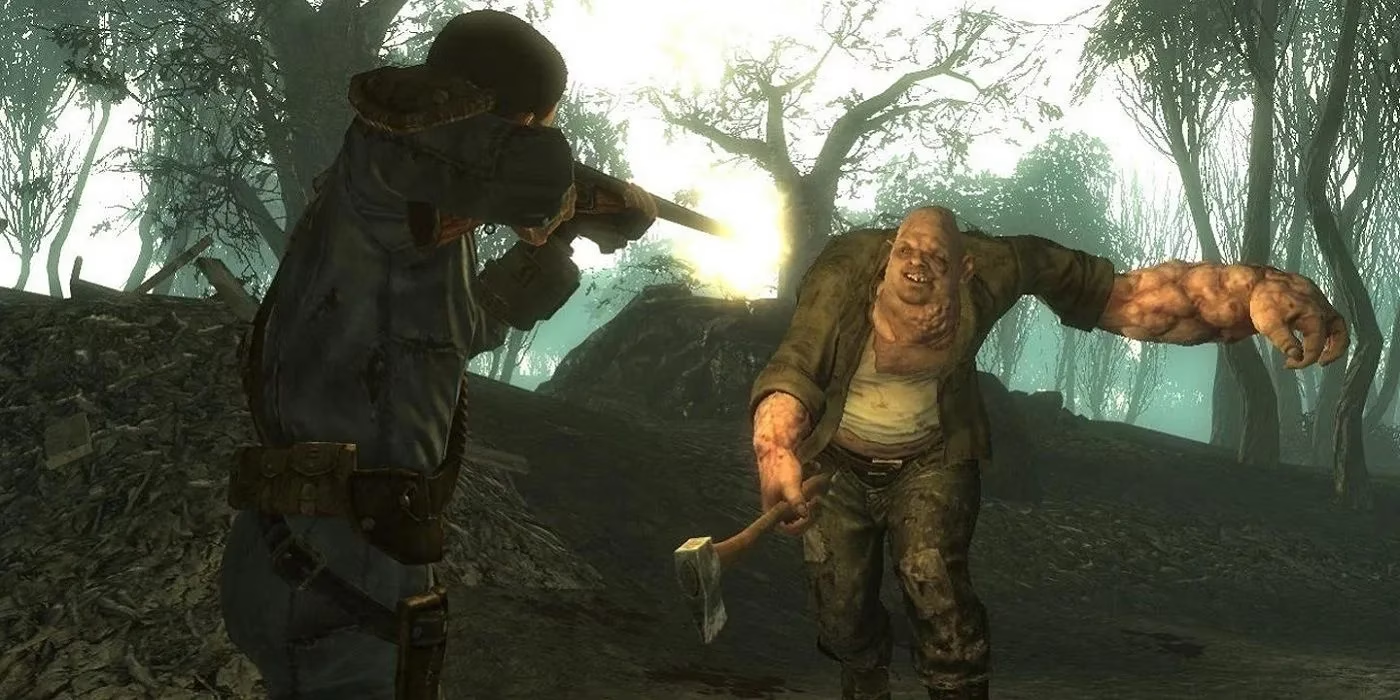
Fallout 3: Point Lookout proves that exploration can become creepy when isolation does the heavy lifting. The penultimate Fallout 3 DLC sends players into a dreadful state park filled with vehement creatures, including Swamplurk Queens that spit acid at long range. Radiation and other obstacles make it one of the toughest expansions in the game, and the foggy swampland atmosphere rewards patience. It is a spooky aquatic affair best taken slowly, because every long night in Point Lookout seems to be listening.
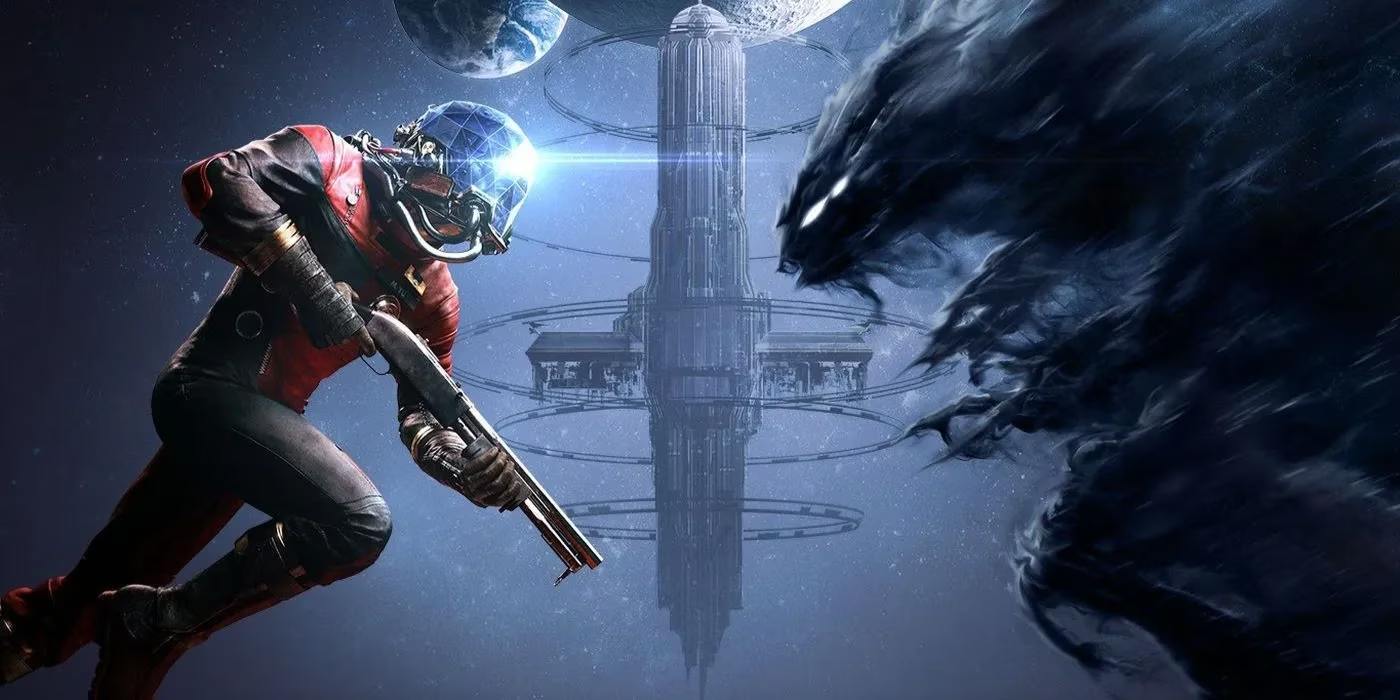
Prey: Mooncrash is a clockwork haunted house, resetting corridors and monsters with the cold patience of a tide. The DLC takes the Groundhog Day approach and builds on Prey's impressive physics engine, making its roguelike structure more hectic at every turn. Randomized world elements, moon gravity, and five escape routes create a tense puzzle box as players guide Peter, a hacker, through the decisions of five survivors. Moon sharks, mimics disguised as ordinary objects, and tentacle nests striking from above make the lunar base feel unsafe from every angle.
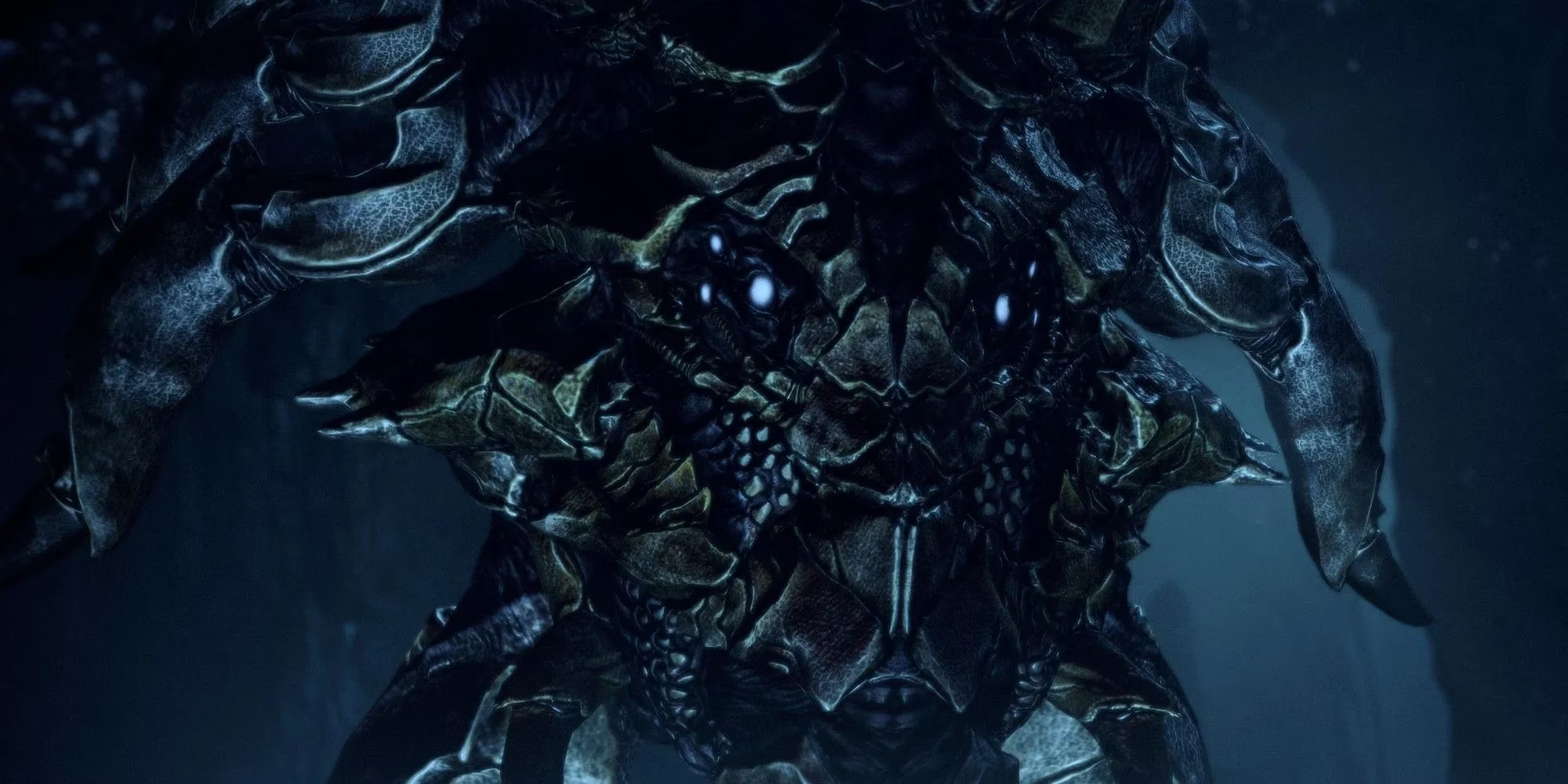
Mass Effect: Leviathan changed the scope of Mass Effect as fans knew it. Meeting the Leviathan rewrote the history of the Reapers and provided background on their origin, revealing that indoctrination was a natural ability of the species before it was co-opted into the machine known as The Intelligence. The DLC's secluded area of despair, torrential downpour, and tense firefights make it a strong pick for players who want to fight a hive of monsters while uncovering story. Its gunplay serves narrative rather than spectacle, which makes it essential for RPG lovers.
Puzzles, Witches, and Pure Combat
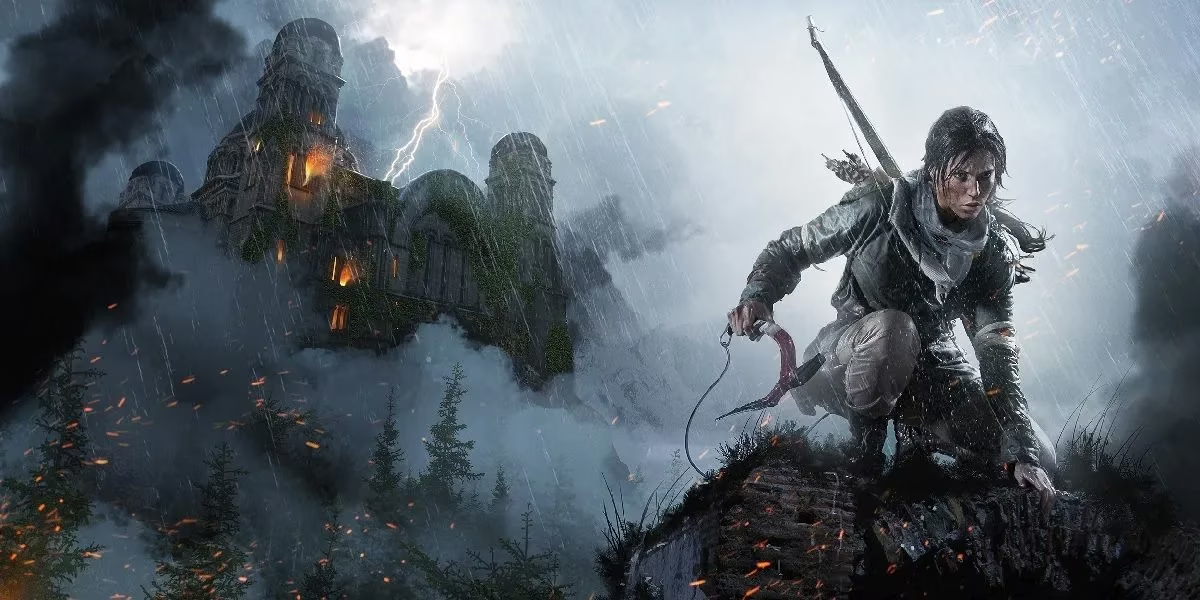
Rise Of The Tomb Raider: Baba Yaga leans into platforming, puzzles, and mind-bending visions from Slavic folklore. The DLC tests hand-eye coordination as players jump hurdles, dodge witch bolts, and assess the correct path forward. Destiny players who enjoy the puzzle side of the experience will find familiar pleasure here, even though the tools are ropes, ledges, and careful observation rather than space magic.
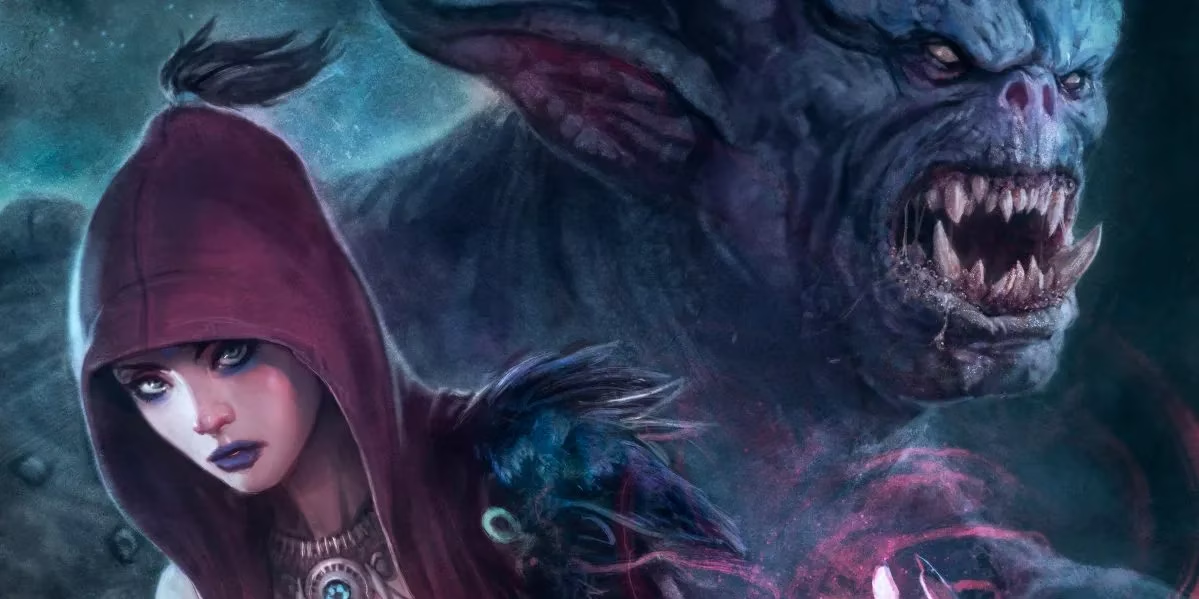
Dragon Age Origins: Witch Hunt offers thematic similarity without the rush of gunfire. It caters to players who prefer inventory and battle management, and its slower pace can still deliver a challenge on nightmare difficulty. Creatures from deep beneath await as players pursue a friend or romantic partner, and the adventure is paved with fright, blood, and answers about Morrigan. For abominations and body horror, it remains a pointed recommendation.
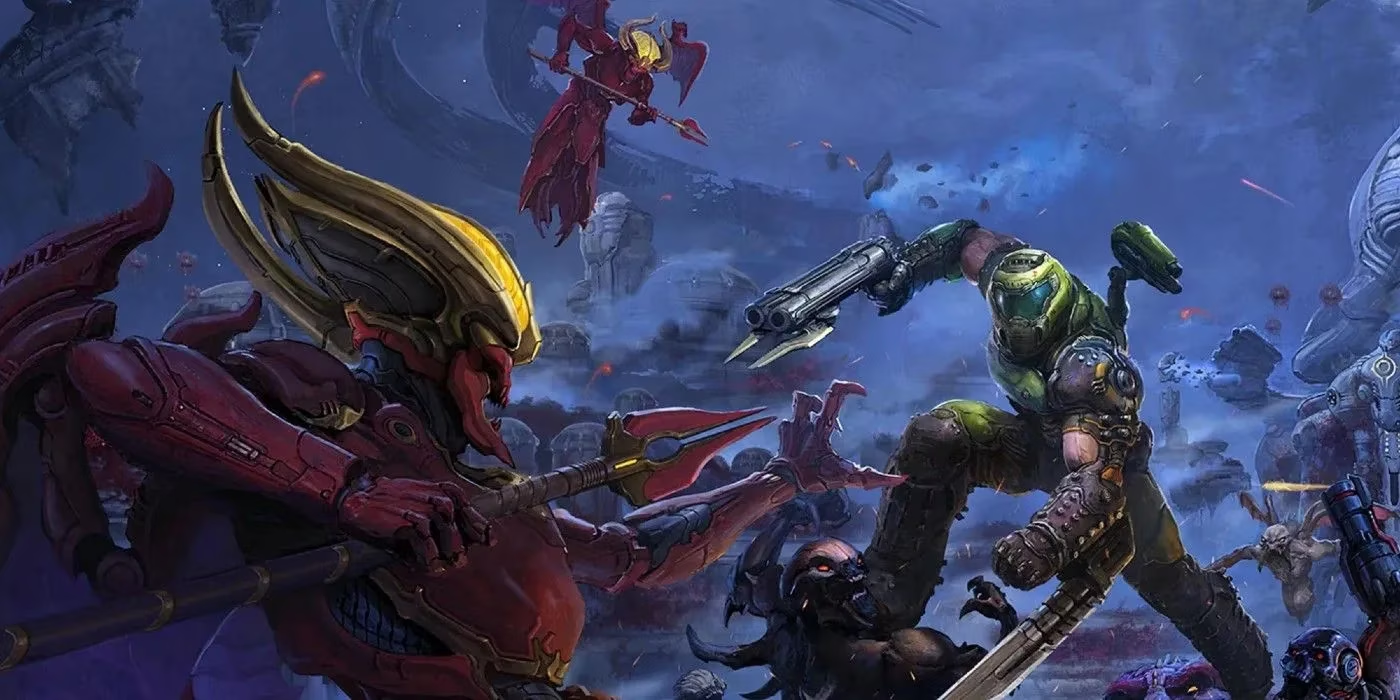
Doom Eternal: The Ancient Gods splits its hardcore offering into two parts and pushes players to the limit. Its driving metal score intensifies every heartbeat, sending players through an obstacle course only hell could provide. Laser-focused platforming, energetic combat, unnerving lore, and waves of fierce enemies demand mental juggling. The horror is subtle but creepy, and its thundering galactic atmosphere complements The Witch Queen's desolate moon. As a warm-up or follow-up, it supplies the shooting skills needed to conquer the Hive in a raid or alone in a free run.
Why These DLCs Still Matter
| Expansion | Core Appeal | Best For |
|---|---|---|
| Destiny: The Dark Below | Hive lore and raid history | Destiny veterans |
| Resident Evil 7: Not A Hero | First-person horror action | Survival-horror fans |
| Tiny Tina's Assault On Dragon Keep | Loot and comedy | Looter-shooter players |
| Undead Nightmare | Zombie western chaos | Open-world action fans |
| Point Lookout | Isolation and swamp dread | Explorers seeking tension |
| Mooncrash | Roguelike simulation | Players who like resets |
| Leviathan | Reaper lore and deep-sea fear | RPG story hunters |
| Baba Yaga | Puzzles and folklore visions | Platforming puzzle fans |
| Witch Hunt | Tactical party management | RPG strategists |
| The Ancient Gods | Extreme combat pacing | Shooter specialists |
In 2026, the lesson is clear: The Witch Queen remains a benchmark, but its shadow stretches across genres. The best comparable DLCs do not chase the same moon. They build their own haunted rooms, their own hostile instruments, and their own reasons for players to return. That variety is why the conversation around Destiny 2's celebrated expansion still has room for so many strange, sharp, and satisfying detours.