
Destiny 2’s Season of the Risen ended long before 2026, yet its final-days checklist still reads like a museum curator labeling extinct butterflies: the specimens no longer fly, but the taxonomy still teaches observation. A player looking back at the Risen wrap-up list will not find the same Nightfall loot pool, the same Trials weapons, or the same Guardian Games calendar in 2026. The live game has moved through later expansions and episodic content, and the exact seasonal chores have changed. What survives is the shape of preparation: clear time-limited work, stockpile currencies, finish long-tail grinds, and tidy up characters before a reset. This retrospective translates that Risen-era checklist into a 2026-friendly mindset.

1. Clear Seasonal Challenges Before They Vanish
In the Risen era, Seasonal Challenges were the fastest route to Season Pass XP, Bright Dust, and a tidy pile of rewards. A player who finished all 66 challenges received a bundle of 4,000 Bright Dust. Even a fully leveled Guardian had a reason to clean them up, because Bright Dust is the quiet currency that keeps cosmetic ambitions alive.
In 2026, the names and structures have changed, but the lesson has not. A player should open the current season or episode screen and identify the challenges that are about to expire. High-XP tasks come first, then currency rewards, then anything that unlocks a title or vendor upgrade. Do not chase old Risen challenges; they are history. Do chase the modern equivalent before the timer runs out. 🕒
2. Stock Glimmer and Materials Like a Blacksmith Quenching After the War
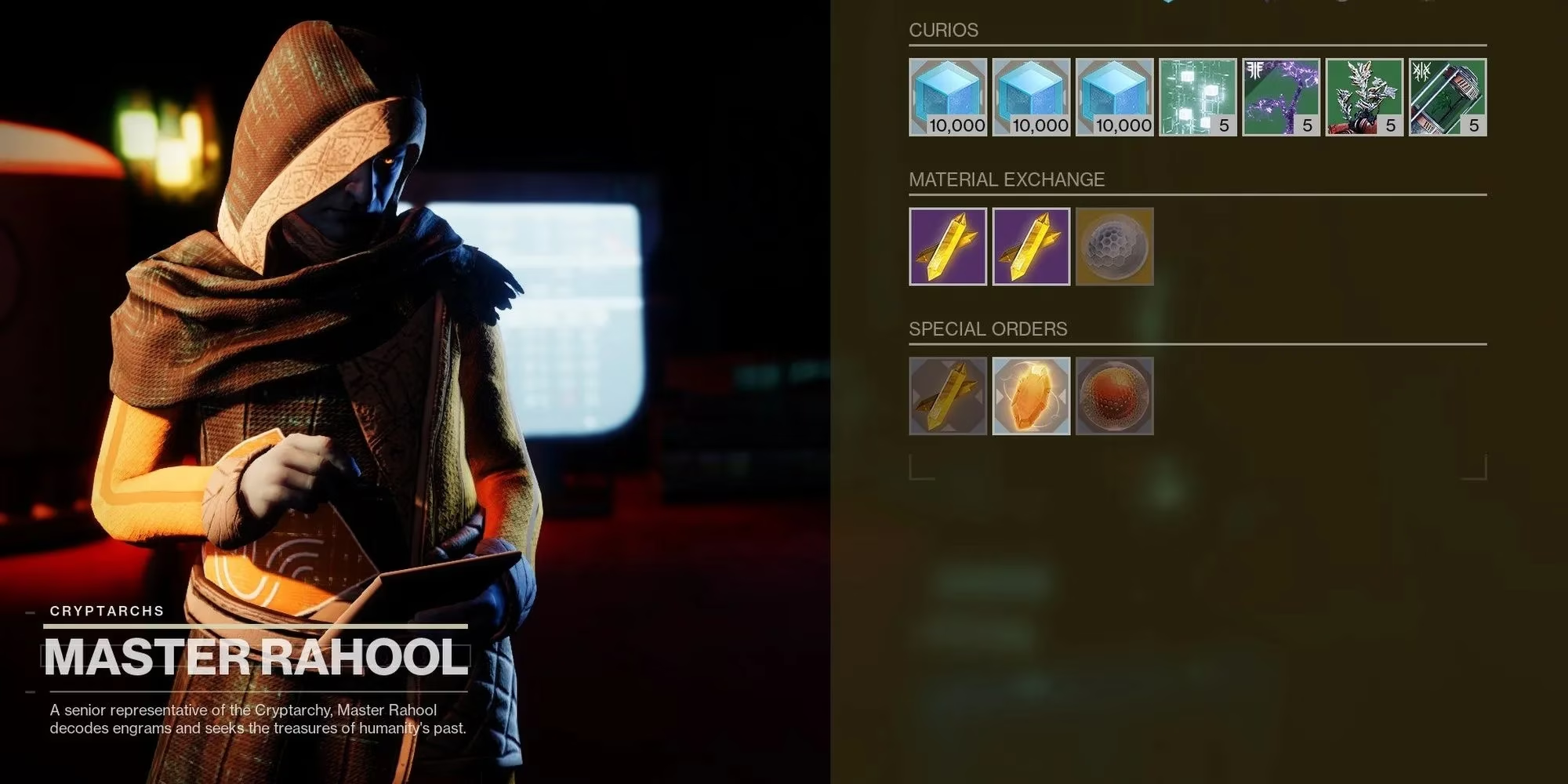
The original advice was simple: stock Glimmer, Masterwork materials, Upgrade Modules, and planetary resources before a new season. Void 3.0 had already shown that subclass customization could eat thousands of Glimmer, and players expected Solar or Arc reworks to do the same. A full wallet made experimentation cheap.
By 2026, currency systems have shifted, but the principle remains sturdy. A player who enters a new season with a lean vault and an empty Glimmer bank spends the first week farming instead of playing. Think of preparation like a blacksmith quenching a blade after the war has ended: the battle is over, but the ritual still trains the hand. Stock what the current economy values, whether that is Glimmer, Enhancement Cores, Ascendant Shards, or the latest upgrade material. A small cushion turns a new season from a scramble into a choice.
3. Retiring Loot: A Historical Table, Not a 2026 Shopping List
Risen’s final weeks included a warning about weapons leaving playlist loot pools. Those weapons remained usable, but they could no longer be earned from their original sources. In 2026, this table is a time capsule, not a live farming guide.
| Weapon | Original Source | 2026 Status |
|---|---|---|
| The Palindrome | Nightfalls | Historical Risen-era drop |
| The Comedian | Nightfalls | Historical Risen-era drop |
| The Messenger | Trials of Osiris | Historical Risen-era drop |
| Shayura’s Wrath | Trials of Osiris | Historical Risen-era drop |
| Occluded Finality | Iron Banner | Historical Risen-era drop |
| Finite Impactor | Iron Banner | Historical Risen-era drop |
The takeaway for a 2026 player is not to hunt Palindrome or Shayura’s Wrath in old activities. It is to check the current loot tables before a reset. Every season retires something, and every retirement creates a small window. A player who reads the patch notes can avoid the hollow feeling of discovering a favorite drop has just left the pool.
4. Lost Sector Exotics and Crafting Still Reward Deliberate Play
The Risen checklist pushed players toward Legend and Master Lost Sectors for new Witch Queen Exotics such as Renewal Grasps, Loreley Splendor, and Osmiomancy Gloves. It also encouraged crafting god rolls at the Enclave. Both activities taught the same skill: targeted farming beats random hoping.
In 2026, the exotic pool is different, and the crafting system has evolved, but the habit is still useful. A player should check which Lost Sector is active, confirm the reward pool, and run it with a build that makes the run comfortable rather than merely possible. For crafting, the player should ask what the weapon is for—boss damage, add clear, PvP dueling—and craft toward that job. A god roll is not a universal trophy; it is a tool with a purpose. 🔧
5. Titles, Catalysts, and the Long Tail of Account Prep
The original list included a warning about the Unbroken title becoming unobtainable in season 19, plus advice to finish Exotic Catalysts. Both items belong to the long tail of Destiny prep. Titles are deadlines with lore attached. Catalysts are boring chores with power spikes attached. A player who ignores both will not notice until a quiet week arrives and the vault feels full of unfinished intentions.
By 2026, Unbroken is a historical title, and the competitive landscape has changed. The modern lesson is to read title requirements early and decide whether the grind is worth the calendar space. For Catalysts, the old kill farms remain useful reference points: Shuro Chi and the Shattered Throne thrall hallway are still remembered as efficient testing grounds. A player can treat Catalyst completion like a lighthouse keeper polishing a lens for a ship that has already sailed—the ship is gone, but the discipline still sharpens the eye.
6. Subclass Unlocks, Alts, and Event Playlists
Void 3.0 and Stasis once required deliberate unlocking, and the Risen checklist told players to finish those systems before building for endgame content. In 2026, subclass systems have expanded, but the rule is the same: an unfinished subclass is a locked door in a house the player already owns. Unlock the current options, read the Aspects, and test the Fragments before a new season demands them.
Alternate characters also remain useful. A second and third Guardian make pinnacle chasing, weekly lockouts, and raid flexibility easier. Finally, Guardian Games was once a medal-fed loot piñata that handed out Nightfall weapons, Masterwork materials, and Exotic armor for simple participation. In 2026, the event calendar is different, but event playlists still tend to be generous. A player should check the current event, play the playlist while it lasts, and cash in before the window closes. 🎖️
The Real Lesson for 2026
The Risen checklist is not a live to-do list in 2026. It is a template. A player can use it as a seasonal reset ritual: clear expiring challenges, stock the currencies that matter now, check retiring loot, finish long-tail unlocks, and prepare alts for the next reset. The specifics age quickly; the preparation habit does not. In a game that keeps rewriting its own syllabus, the player who packs the toolbox before the blueprint arrives usually has the calmer season.
As detailed by Destructoid, season-end preparation in live-service shooters remains less about preserving outdated checklists and more about recognizing recurring patterns: expiring objectives, rotating loot pools, and resource bottlenecks. That perspective fits Destiny 2 in 2026, where a retrospective on Season of the Risen works best as a framework for modern planning rather than a literal farming route, especially when players are deciding what to finish before the next reset changes rewards and priorities again.